
PTSD Therapy Services
Arne Pedersen
Registered and Certified Counselling Hypnotherapist, Victoria, B.C.
Understanding PTSD, rebuilding a sense of safety, and reconnecting with yourself and the present moment.
Have you ever experienced something so painful, frightening, or overwhelming that it felt like more than you could handle?
When an experience is too much to process, our subconscious mind may protect us by disconnecting from the feelings and sensations associated with it. Although this can help us cope at the time, those unresolved experiences can continue to influence how safe we feel, how we react to life, and how we see ourselves, sometimes many years later.
Understanding PTSD:
Post-Traumatic Stress Disorder (PTSD) can develop when we experience something so overwhelming, frightening, or painful that we are unable to fully process it at the time.
Our mind and nervous system may respond by disconnecting or dissociating from the experience, protecting us from feelings and sensations that seem too difficult to handle. This is especially understandable when we haven’t had the safety, emotional resources, or supportive environment needed to help us through what happened.
Although these protective responses can help us survive difficult experiences, the emotional effects of what happened may remain unresolved.
Over time, we can develop subconscious coping patterns designed to prevent us from experiencing those painful feelings again. We might become overly cautious, defensive, anxious, emotionally distant, or constantly alert to potential danger.
A part of us may continue responding as though the original experience is still happening, even when our present circumstances are very different.
This helps explain why seemingly ordinary situations can trigger powerful emotional reactions, fear, panic, or a sense of being unsafe without us fully understanding why.
An important part of healing is gradually rebuilding a sense of safety within ourselves, reconnecting with our feelings and body sensations, and developing the support and awareness needed to process what has remained unresolved.
If you’re ready to take the first step toward healing from PTSD, I warmly invite you to schedule a complimentary 1-hour zoom video consultation with me. Together, we can explore how therapy can provide the support you need to overcome these challenges and rediscover joy and peace of mind in your life.
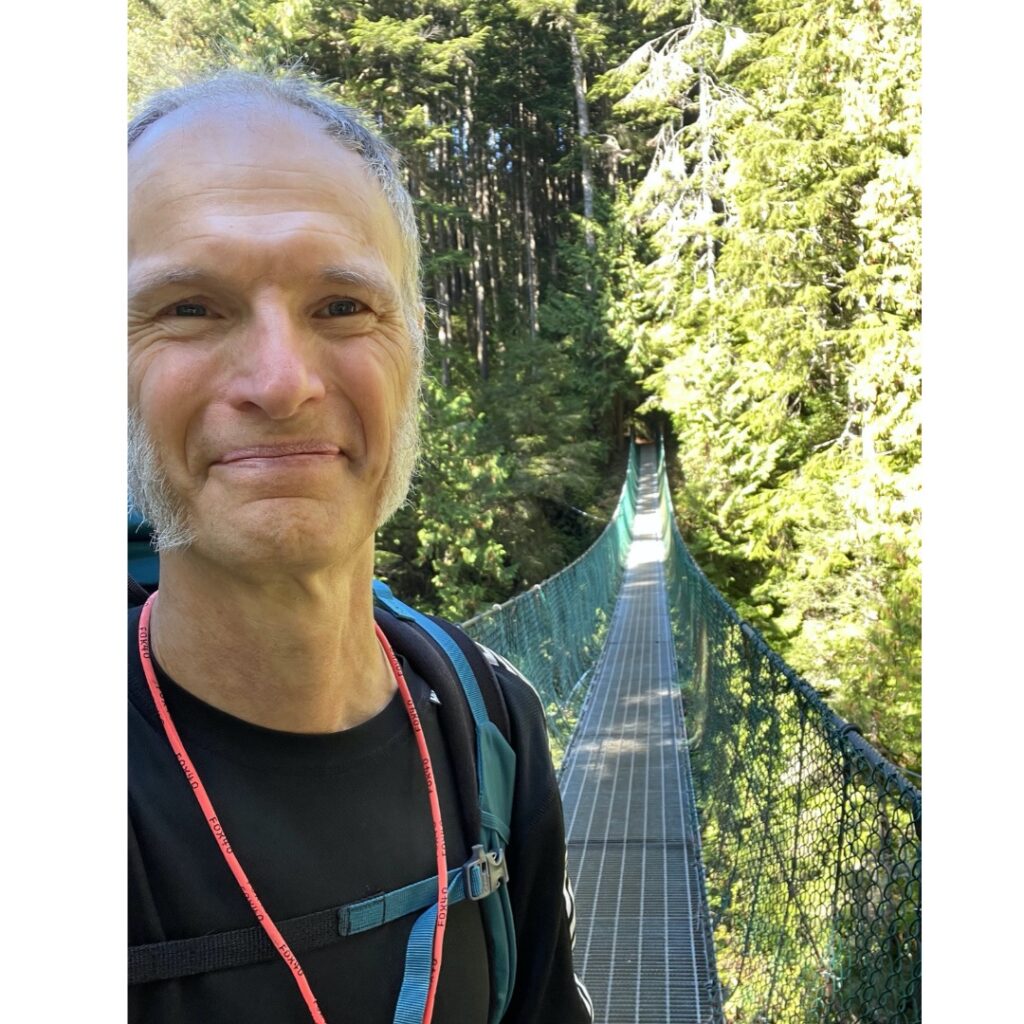
Building Trust and Inner Safety
Just as crossing a narrow bridge requires trust and confidence, healing from PTSD involves gradually learning to feel safe within ourselves and in life again.
Through self-awareness, compassion, and gentle steps forward, we can begin to move beyond old fears, reconnect with ourselves, and develop greater confidence in our ability to handle life’s challenges.
Recognizing PTSD and Protective Coping Patterns
PTSD can affect many areas of our lives, often in ways we don’t immediately connect with past experiences.
Some common experiences include:
•Anxiety, panic, or feeling constantly on alert
•Emotional triggers, anger, or defensive reactions
•Nightmares, intrusive memories, or difficulty sleeping
•Feeling disconnected from our body or emotions
•Avoiding situations, relationships, or uncomfortable feelings
•Difficulty trusting ourselves or others
•Feeling unsafe expressing who we truly are
These reactions can reflect ways our mind and nervous system learned to protect us. By understanding these patterns with compassion, we can begin developing healthier ways of responding to life.
Reconnecting With Yourself and the Present Moment
An important part of PTSD recovery is gradually learning to feel safer within ourselves and reconnecting with our body sensations and emotions.
Through gentle mindfulness, emotional awareness, and supportive therapeutic work, we can begin recognizing old protective patterns without forcing ourselves to experience more than we can safely handle.
As we develop greater self-acceptance, trust, and emotional confidence, we can begin responding to life from a more grounded and connected place.
PTSD Video Series
Explore this series of videos and articles to better understand PTSD, dissociation, emotional triggers, subconscious coping patterns, and the importance of rebuilding safety within ourselves.
Each video explores a different aspect of trauma recovery, offering practical insights and mindfulness-based approaches to help develop greater self-awareness, confidence, and emotional well-being.
▶️ Watch Video 1 & Read the Full Article: Understanding PTSD — Trauma, Triggers and Inner Safety
Why do traumatic experiences sometimes continue affecting us years later, even when we believe we’ve moved beyond them?
In this introductory video, I explain how overwhelming experiences can lead to subconscious protective coping patterns, emotional disconnection, and reactions such as anxiety, fear, and panic.
We’ll explore why rebuilding a sense of safety is so important and how gentle mindfulness and reconnection with our feelings can become part of the healing process.
This is the first video in my PTSD series, introducing a compassionate approach to understanding trauma and gradually reconnecting with ourselves.
▶️ Watch Video 2 & Read the Article: How PTSD and Trauma Shape Your Identity and Relationships
Have you ever wondered how past traumatic experiences may have shaped your personality, self-worth, behaviours, and relationships?
In this second video of my PTSD series, I explore how subconscious protective coping patterns can influence who we become. From people-pleasing and emotional withdrawal to controlling behaviours and fears of abandonment, we’ll look at how these patterns may have developed to protect us from overwhelming experiences.
You’ll also learn a simple self-reflection exercise to help recognize how trauma may have shaped both your strengths and the behaviours that no longer serve you, creating a starting point for rebuilding inner safety and reconnecting with your authentic self.
▶️ Watch Video 3 & Read the Article: PTSD – How Past Trauma Changes Your Perception of Safety
Why can PTSD make you feel unsafe, anxious, or constantly on edge, even when there is no immediate danger? In this video, I explain how the subconscious mind develops protective coping patterns following overwhelming experiences and how those patterns can continue influencing our perception of safety long after the original trauma.
I also share a personal experience with panic that helped me recognize the difference between perceived danger and what was actually happening. You’ll learn how compassionate support, mindfulness, and greater awareness of the present moment can help you begin recognizing old protective responses and gradually rebuilding a sense of inner safety.
▶️ Watch Video 4 & Read the Full Article: PTSD Recovery – Building Inner Safety Through Mindfulness
Creating inner safety is an important foundation for PTSD recovery. In this video, I share how loving support and acceptance helped me through a powerful experience with panic, and why developing that same supportive relationship within ourselves can be so important when healing from unresolved trauma.
You’ll learn how a simple mindfulness practice can help you gradually reconnect with your breathing, body sensations, and present-moment experience. By developing greater familiarity with your feelings, practising self-acceptance, and offering yourself the compassion you may have needed during earlier experiences, you can begin building the inner trust and safety that supports emotional healing.
▶️ Watch Video 5 & Read the Article: PTSD Recovery – Processing Emotions Through Mindfulness
Why do painful emotions from past trauma continue affecting us, sometimes many years later?
In Video 5 of this PTSD recovery series, I explore how overwhelming experiences can lead us to disconnect from difficult feelings and how those unresolved emotional patterns may continue showing up through anxiety, fear, panic, and everyday emotional triggers.
You’ll learn how gentle mindfulness and body awareness can help you begin reconnecting with your feelings, developing greater acceptance, and working with emotional triggers in the present moment without having to force yourself to relive the original trauma.
▶️ Watch Video 6 & Read the Article: PTSD Emotional Triggers – Understanding Fear and Truth
Why can PTSD make us feel unsafe even when there is no immediate danger? In this video, I explain how unresolved trauma can influence our thoughts, emotional reactions, and perception of safety, sometimes long after the original experience has passed.
Through a personal experience involving a grizzly bear encounter, I explore the difference between real danger and fear connected to past experiences. You’ll also learn how regular mindfulness practice can help you recognize emotional triggers, return to the present moment, and begin developing greater inner safety.
▶️ Watch Video 7 & Read the Full Article: Processing Unresolved Emotions Through Mindfulness
When PTSD triggers bring up powerful emotions, we may recognize that we’re safe in the present moment but still feel overwhelmed by fear, anxiety, or unresolved feelings from the past.
In this video, I explain how resisting emotions can keep us caught in uncomfortable patterns and how mindfulness can help us gradually become more comfortable experiencing what we feel. Using the simple example of squeezing and releasing a sponge, we explore why emotional acceptance, body awareness, and gentle practice can be important steps toward processing unresolved emotions and rebuilding inner safety.
▶️ Watch Video 8 & Read the Article: PTSD Recovery – Healing Younger Parts and Building Inner Safety
Traumatic experiences can leave us with protective coping patterns that continue operating long after the original danger has passed. These younger parts of ourselves may still respond through anxiety, avoidance, emotional disconnection, or a persistent feeling of being unsafe.
In this video, Arne Pedersen explains how we can begin understanding and supporting these protective parts by recognizing what we needed during difficult experiences and learning to provide ourselves with greater patience, compassion, and acceptance. Discover how gentle mindfulness practices can help us reconnect with our feelings, develop inner safety, and gradually move beyond old survival patterns.
▶️ Watch Video 9 & Read the Article: PTSD Recovery — Moving From Surviving to Thriving
When we’re continually operating in survival mode, our mind can become focused on worrying, anticipating danger, and avoiding uncomfortable experiences. Although these protective patterns may have developed to help us cope with past difficulties, they can also prevent us from fully enjoying the life we’re living today.
In Video 9 of my PTSD series, we explore how mindfulness, emotional awareness, healthier boundaries, and learning to focus on what’s working can help us gradually move beyond old survival patterns. You’ll discover how developing a healthier relationship with yourself can support greater self-trust, confidence, and the ability to thrive rather than simply survive.
▶️ Watch Video 7 & Read the Full Article: PTSD Recovery — Healing Trauma and Moving Forward in Life
In this final video of my 10-part PTSD series, we bring together the important teachings we’ve explored about trauma, emotional triggers, subconscious survival patterns, and rebuilding inner safety. You’ll gain a clearer understanding of how past experiences can continue influencing your present life and how mindfulness, emotional awareness, and self-compassion can support the healing process.
We also explore practical next steps for moving forward, including developing a daily mindfulness practice, learning to work with emotional triggers, supporting our younger parts, gradually expanding our comfort zone, and becoming more aware of the positive experiences in life. The goal is to help you move beyond simply surviving and begin developing greater confidence, self-trust, and the ability to thrive.
When PTSD triggers bring up powerful emotions, we may recognize that we’re safe in the present moment but still feel overwhelmed by fear, anxiety, or unresolved feelings from the past.
In this video, I explain how resisting emotions can keep us caught in uncomfortable patterns and how mindfulness can help us gradually become more comfortable experiencing what we feel. Using the simple example of squeezing and releasing a sponge, we explore why emotional acceptance, body awareness, and gentle practice can be important steps toward processing unresolved emotions and rebuilding inner safety.
Free Mindfulness Program
Mindfulness can help us become more aware of our thoughts, emotions, and physical sensations while gradually developing a stronger connection with the present moment.
My free Mini Self-Help Mindfulness Program offers simple awareness practices that can be adapted to your comfort level, helping you develop greater self-acceptance and inner stability.
Explore the Free Mindfulness Program
Want to Learn More About the Methods I Use?
My approach combines mindfulness-based counselling hypnotherapy, emotional awareness, and working with subconscious patterns to help people better understand their reactions and develop greater inner safety.
You can learn more about my methods here:
Counselling Victoria
http://hypnotherapyvictoria.com/counselling-victoria/
Hypnotherapy Victoria
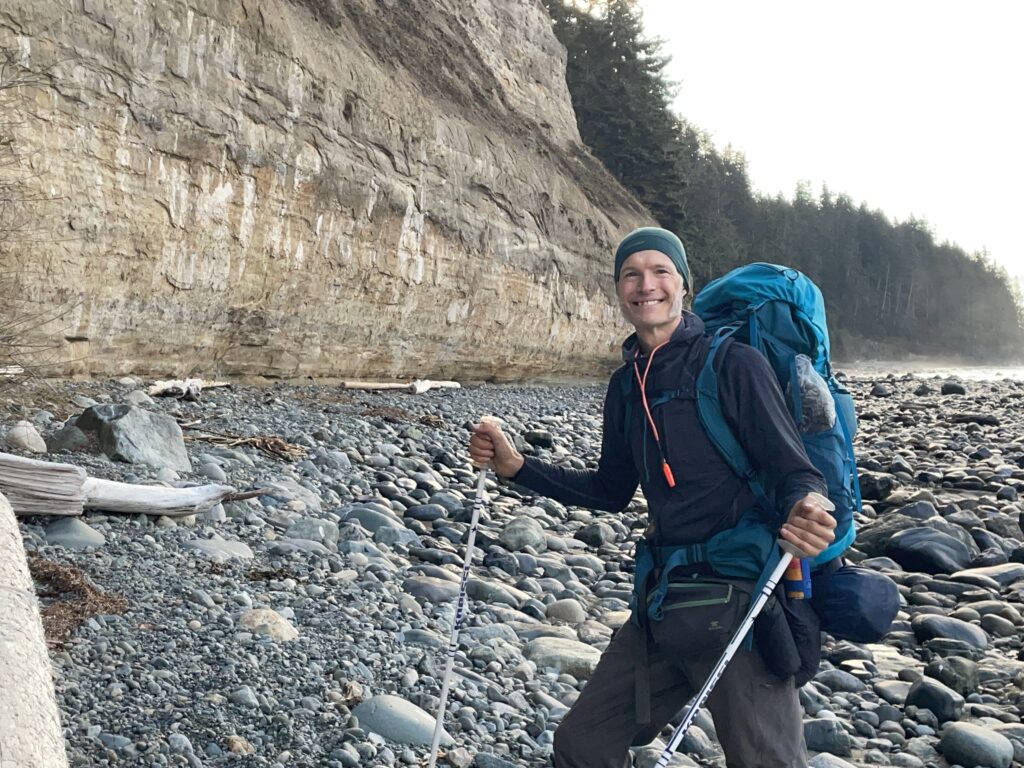
Moving Forward With Support and Confidence
Just as a journey becomes easier with guidance and support, healing from PTSD doesn’t have to be something you face alone.
With a compassionate, supportive approach, we can work together to help you reconnect with yourself, rebuild inner safety, and take meaningful steps toward greater confidence and freedom in your life.
Ready for Support? Schedule a Free Consultation
You don’t have to navigate PTSD alone. A compassionate, supportive therapeutic relationship can help you explore difficult experiences at a pace that respects your needs and sense of safety.
I offer a free 1-hour Zoom video consultation where we can discuss what you’re experiencing, what you’d like to change, and whether my mindfulness-based counselling hypnotherapy approach feels right for you.
Schedule Your Free Consultation
Moving Forward With Greater Confidence
Healing from PTSD isn’t about erasing the past. It’s about gradually developing the safety, awareness, and support needed so that past experiences have less influence over how you feel and live today.
With compassion, patience, and appropriate support, we can begin moving beyond old survival patterns toward greater confidence, connection, and freedom to be ourselves.